

Introduction
Greek architecture has long been admired for its grandeur, elegance, and timelessness. From the imposing columns of the Parthenon to the intricate carvings of the Erechtheion, the beauty of Greek design continues to inspire architects and designers around the world. One way to bring a touch of this ancient aesthetic into modern spaces is through the use of Greek-inspired stone veneer. In this article, we will explore the history of Greek architecture, the characteristics that define Greek design, and how these elements can be incorporated into contemporary spaces through the use of stone veneer.
History of Greek Architecture
The roots of Greek architecture can be traced back to the civilizations of the Minoans and Mycenaeans, who inhabited the Aegean region as early as the 3rd millennium BCE. These early cultures laid the foundation for the development of the iconic architectural styles that would come to define ancient Greece.
The period known as the Archaic age (c. 800-480 BCE) saw the emergence of the classical architectural forms that are most commonly associated with Greek design. The Doric, Ionic, and Corinthian orders of architecture were developed during this time, each with its own distinctive characteristics and proportions.
The Classical period (c. 480-323 BCE) marked the height of Greek architectural achievement, with iconic structures such as the Parthenon, the Temple of Athena Nike, and the Temple of Zeus at Olympia being built during this time. These buildings are characterized by their harmonious proportions, elegant columns, and intricate friezes, all of which have become hallmarks of Greek design.
Characteristics of Greek Design
Greek architecture is known for its emphasis on symmetry, proportion, and harmony. Buildings are typically designed according to strict geometric principles, with an emphasis on balance and order. The use of columns, pediments, and entablatures is a defining feature of Greek design, with each element carefully proportioned to create a sense of visual harmony.
The three main orders of Greek architecture – Doric, Ionic, and Corinthian – each have their own distinct characteristics. The Doric order is the simplest and most robust, with plain columns topped by a simple capital. The Ionic order is more decorative, with columns featuring spiral volutes and a base. The Corinthian order is the most ornate, with columns adorned with acanthus leaves and elaborate capitals.
In addition to their architectural elements, Greek buildings are also known for their decorative friezes, metopes, and pediments. These carved reliefs often depict scenes from mythology or historical events, adding a sense of narrative and drama to the architecture.
Incorporating Greek-Inspired Stone Veneer
One way to capture the beauty and elegance of Greek design in modern spaces is through the use of stone veneer. cultured stone is a thin layer of natural stone that is applied to walls, floors, or other surfaces to create the look of solid stone construction. It offers the beauty and durability of natural stone at a fraction of the cost, making it an ideal choice for both residential and commercial projects.
When incorporating Greek-inspired stone veneer into a design scheme, it is important to pay attention to the details that define Greek architecture. Consider using columns, pilasters, and entablatures to create a sense of classical elegance. Choose stone veneer finishes that mimic the look of traditional Greek building materials, such as marble, limestone, or travertine.
To create a truly authentic Greek-inspired space, consider incorporating decorative elements such as friezes, cornices, and moldings. These details can be carved directly into the stone veneer or added as separate architectural elements to enhance the overall design. For a more contemporary twist, consider combining traditional Greek elements with modern materials and finishes to create a unique and stylish look.
In addition to its aesthetic appeal, Greek-inspired stone veneer also offers practical benefits. Stone veneer is durable, low-maintenance, and fire-resistant, making it ideal for both interior and exterior applications. It can be used to create feature walls, accent pieces, or entire facades, adding a touch of timeless elegance to any space.
Case Studies
To illustrate the versatility and beauty of Greek-inspired stone veneer, let's examine a few case studies of projects that have successfully incorporated this design element.
1. Residential Villa in Santorini
Located on the picturesque island of Santorini, this residential villa combines traditional Greek architecture with modern design elements. The exterior of the villa features a facade of white stone veneer, reminiscent of the iconic buildings found throughout the Greek islands. The use of arched doorways, carved moldings, and decorative columns adds a sense of classical elegance to the design, while contemporary finishes and fixtures provide a fresh and stylish look.
Inside, the villa continues the Greek-inspired theme with a combination of stone veneer walls, marble floors, and custom-designed furniture. The use of natural materials and a neutral color palette creates a sense of tranquility and sophistication, while large windows and open spaces maximize natural light and views of the surrounding landscape.
2. Commercial Restaurant in Athens
This upscale restaurant in the heart of Athens pays homage to the city's rich history and culture through its design. The exterior of the restaurant features a facade of gray stone veneer, accented with ornate carvings and decorative elements inspired by ancient Greek architecture. The use of Ionic columns, pediments, and friezes creates a sense of grandeur and elegance, inviting diners to step back in time to the golden age of Athens.
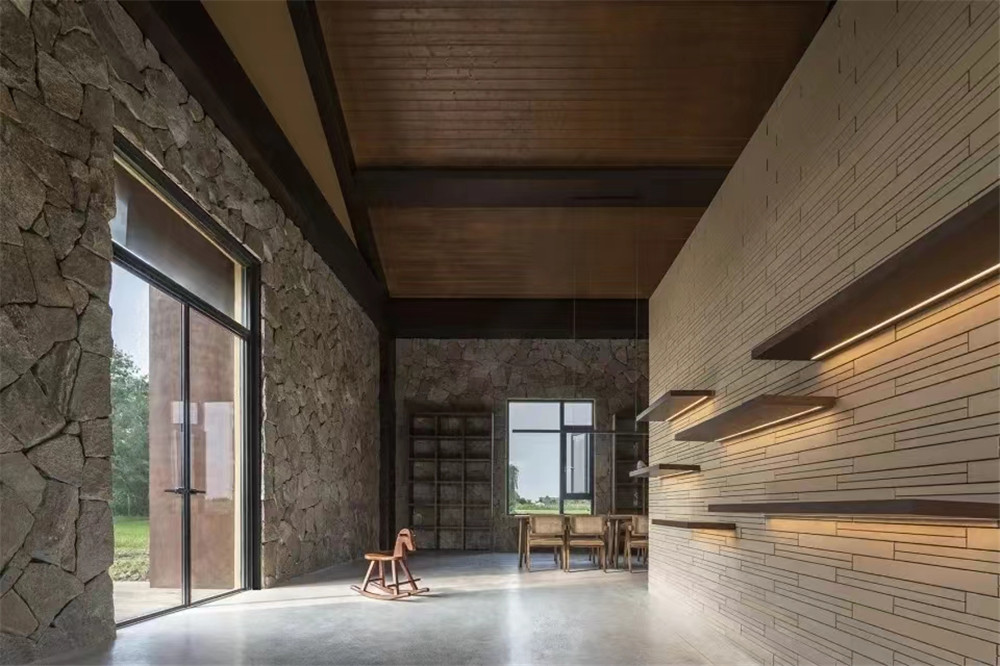
Inside, the restaurant continues the Greek theme with a combination of stone veneer walls, marble countertops, and custom-designed lighting fixtures. The use of soft, warm lighting and plush furnishings creates a cozy and intimate atmosphere, while subtle nods to Greek mythology and art add a sense of whimsy and charm.
3. Public Plaza in Thessaloniki
This public plaza in the city of Thessaloniki showcases the beauty and versatility of Greek-inspired stone veneer in a large-scale outdoor setting. The plaza features a series of stone veneer columns, archways, and fountains, all designed to mimic the look of traditional Greek architecture. The use of natural stone finishes and intricate carvings creates a sense of history and tradition, while contemporary landscaping and seating areas provide a modern touch.
The plaza is a popular gathering spot for locals and visitors alike, offering a peaceful oasis in the heart of the city. The combination of classical design elements and modern amenities makes it a timeless and inviting space for people to relax, socialize, and enjoy the beauty of Greek-inspired architecture.
Conclusion
Greek architecture has long been admired for its beauty, elegance, and timelessness. By incorporating Greek-inspired stone veneer into contemporary spaces, designers can capture the essence of this ancient aesthetic and create spaces that are both stylish and enduring. Whether used in residential, commercial, or public projects, Greek-inspired stone veneer adds a touch of classical elegance and sophistication to any design scheme. With its durability, versatility, and aesthetic appeal, Greek-inspired stone veneer is a timeless choice for those looking to embrace the beauty of antiquity in modern design.